Predicting reef futures
Thermal tolerance, bleaching, range shifts, tropicalization, and ecosystem change across natural environmental gradients.
Explore this themeLongo Marine Ecology Lab
We study how climate change and local stressors reshape marine ecosystems—from organisms and species interactions to communities and ecosystem processes—and turn that knowledge into strategies for conservation, adaptation, and sustainable use.
ROOTED IN BRAZIL · CONNECTED GLOBALLY
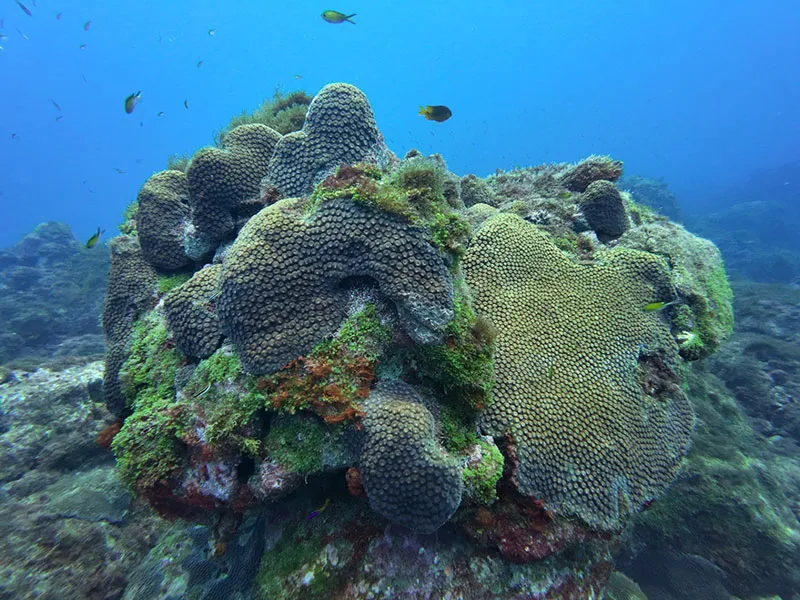
Intertidal reef and lagoon
Longo Lab archive
Ecology across scales
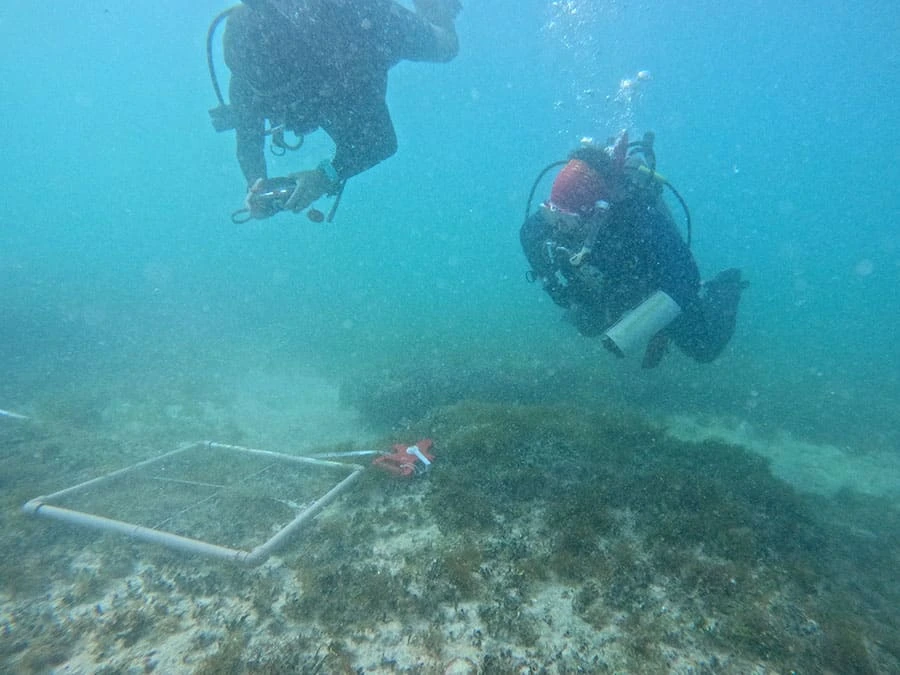
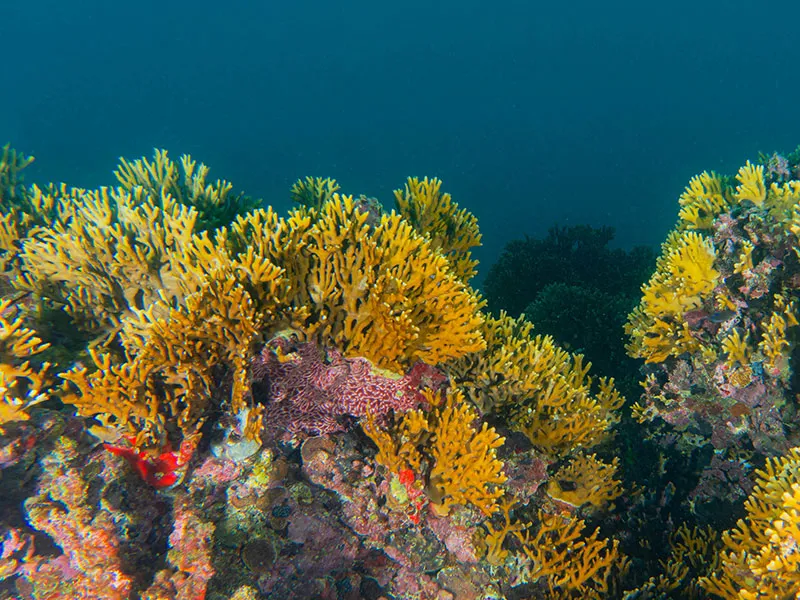
The Longo Marine Ecology Lab is a collaborative research group dedicated to understanding how marine ecosystems, especially coral reefs, respond to rapid environmental change. We combine field ecology, experiments, long-term and large-scale datasets, and ecological modeling to connect mechanisms across biological scales and generate knowledge that supports conservation and human well-being.
Research pathways
Our questions connect organisms, species interactions, communities and the people who depend on healthy marine ecosystems.
Thermal tolerance, bleaching, range shifts, tropicalization, and ecosystem change across natural environmental gradients.
Explore this themeHow competition, herbivory, mutualism, and ecological feedbacks determine the resistance and recovery of reef communities.
Explore this themeRisk assessment, protected areas, restoration principles, nature-based solutions, and scalable interventions.
Explore this themeFisheries, nutrition, ecosystem services, citizen science, public communication, and decision support.
Explore this themeBrazil · United States · Beyond
Founded in 2016 at the Universidade Federal do Rio Grande do Norte in Northeast Brazil, the lab expanded to the University of Massachusetts Boston in 2026. This growth connects tropical and temperate systems while preserving the lab’s long-term commitment to Brazilian ecosystems, collaborators, students, and communities.
Universidade Federal do Rio Grande do Norte
University of Massachusetts Boston
Selected publications
Experimental ecology, global synthesis and conservation science.
Nature Food · 2026
Science for people
Read the publication (opens in a new tab)Biodiversity and Conservation · 2025
Conservation and restoration
Read the publication (opens in a new tab)Science · 2022
Climate and reef futures
Read the publication (opens in a new tab)Science and society
Research, interviews and public participation connecting evidence with ecosystems and people.
Revista Pesquisa FAPESP · 2026
Expert source on the decline of endemic corals and climate impacts.
Read the story (opens in a new tab)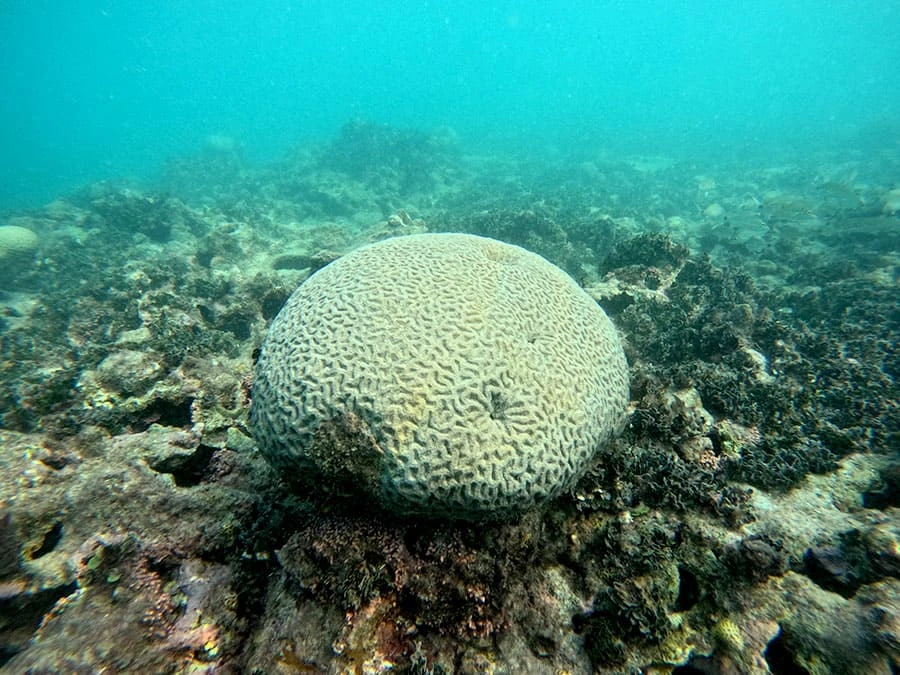
Mongabay · 2026
International interview on wastewater pollution, marine protected areas, corals, and food security.
Read the story (opens in a new tab)Fantástico / G1 · 2024
Interview and field footage in a national television feature; video available on Globoplay.
Read the story (opens in a new tab)Nexo · 2023
Interview on citizen science, artificial intelligence, and reef monitoring.
Read the story (opens in a new tab)Join and collaborate
Research collaborations, student opportunities, conservation partnerships and public engagement.